The Blue Shell Was the Point: What We Lost When Gaming Left the Living Room
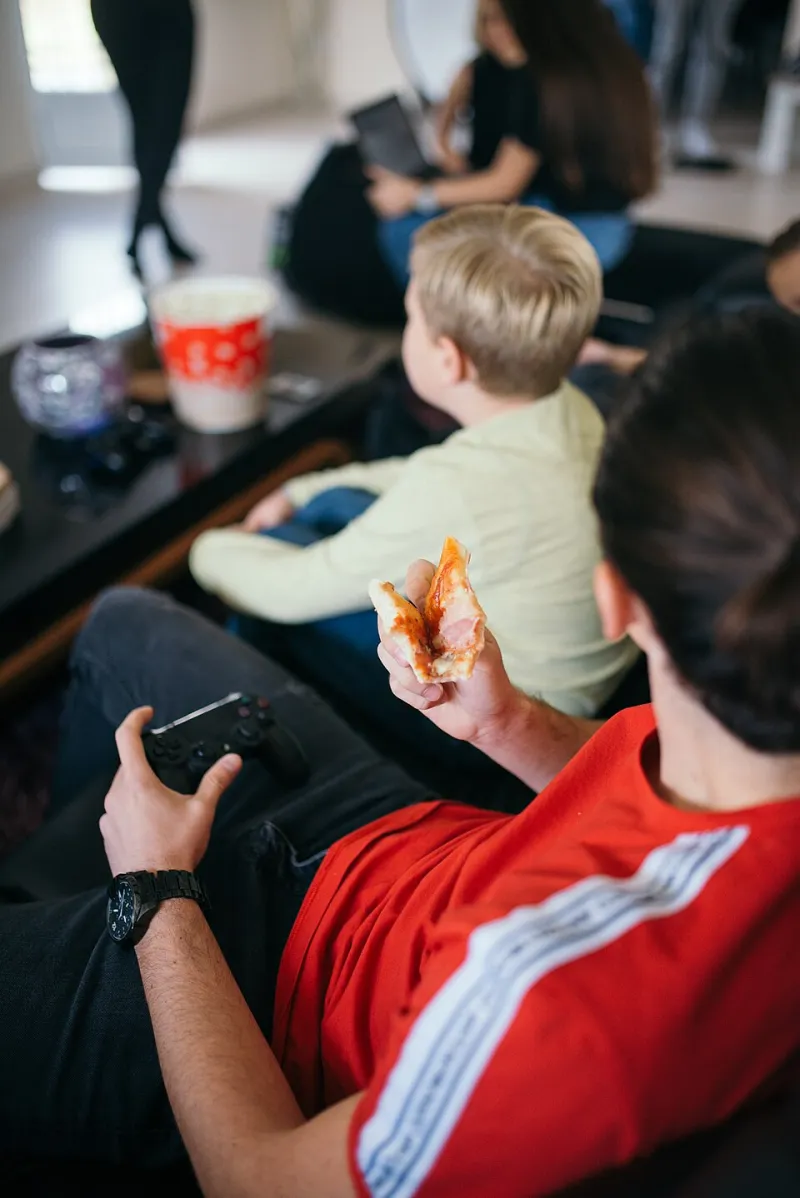
Photo: Nenad Stojkovic, CC BY 2.0, via Wikimedia Commons
Every kid who grew up in the '90s knew the rules. Not the ones printed in the manual — the real rules. No picking Oddjob in GoldenEye. No Rainbow Road unless everyone agreed to it beforehand. Pausing the game to argue about whether that last lap was fair was not only legal, it was mandatory. And above all: the blue shell wasn't cheap. It was destiny.
Those house rules were never written down, but they governed more childhood Saturdays than any school handbook ever did. And somewhere between the rise of broadband and the death of the second controller port, we let all of it slip away.
The Living Room Was the Lobby
Before voice chat and party systems, the lobby was your actual living room. There was a couch, a bag of Doritos, and usually at least one friend whose entire strategy revolved around throwing the controller when they lost. Multiplayer wasn't a feature — it was the whole reason someone else's mom was driving you home in a minivan.
The games themselves were engineered for this chaos. Mario Kart 64 didn't just tolerate sabotage; it celebrated it. Smash Bros. turned friendly fire into a negotiation. GoldenEye 007 had to invent split-screen espionage from scratch, complete with the screen-peeking arms race that every player both hated and participated in anyway.
What made it work was friction. You couldn't mute the guy talking trash — he was three feet away, eating your pizza. Disagreements got settled in real time, usually with a pillow. The game was almost secondary to the theater happening around it.
What Online Play Actually Replaced
Let's be fair to the internet era: online multiplayer solved real problems. You can play with your cousin in Ohio at 11 p.m. on a Tuesday. Matchmaking found you opponents your own skill level. Nobody had to sit on the floor anymore, which — be honest — your knees appreciate.
But convenience came with a cost. Online play flattened the experience. Strangers replaced friends. Trash talk became something you could report instead of laugh at. And the shared memory — the thing you'd still be joking about at a wedding twenty years later — simply stopped happening. Nobody tells stories about the ranked match they queued into last night. Everybody tells stories about the time Uncle Rick won Mario Party by literally stealing the star.
The industry noticed, sort of. Publishers discovered that online infrastructure kept players subscribed, and couch co-op quietly became a legacy feature. By the mid-2010s, split-screen was a checkbox on the back of the box, if it appeared at all.
The Indie Underground Bringing It Back
Here's the good news: the couch never actually died. It just went underground.
A wave of independent developers has spent the last decade rebuilding local multiplayer from the ground up. Games like Overcooked, Gang Beasts, and Duck Game aren't nostalgic retreads — they're built entirely around the physics of people yelling in the same room. Their designers will tell you the same thing: watching players react to each other in person is the whole design brief. The game is a machine for generating arguments, and the arguments are the product.
Even bigger studios are circling back. The runaway success of It Takes Two proved that a game designed around two people sharing a screen — and a couch — could win Game of the Year. That's not nostalgia talking. That's a market speaking.
Why It's Worth Resurrecting
Couch co-op was gaming's best social technology, and we traded it for a friends list. The case for bringing it back isn't sentimental — it's practical:
- Shared memories beat shared servers. You remember the night, not the match ID.
- It's the great equalizer. A parent, a kid, and a hardcore gamer can all play Overcooked. Try explaining that to a ranked lobby.
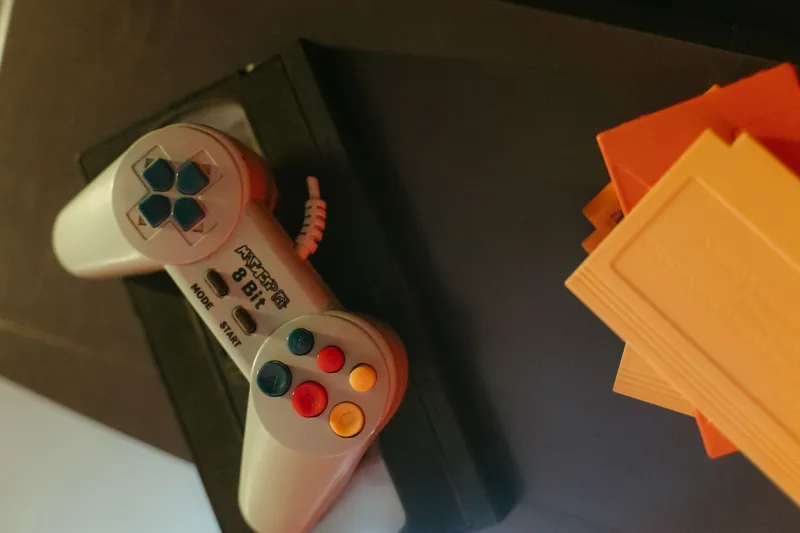
- No subscriptions, no updates, no internet outage. Just plug in and go — the same spirit that makes retro hardware so appealing.
And honestly, that last point is why this belongs in a conversation about retro gaming at all. Digging out an N64 is only half the hobby. The other half is the four people crowded around it.
Your Homework This Weekend
If you still have the hardware, you know what to do. Dust off the GameCube, track down a second WaveBird, and put Mario Kart: Double Dash on the TV. If you don't, an emulation handheld with a couple of cheap USB controllers gets you 90% of the way there.
Then invite someone over. Not a Discord friend — an actual human who will look you in the eye when they blue-shell you on the final straight.
Because the blue shell was never the problem. The blue shell was the point.