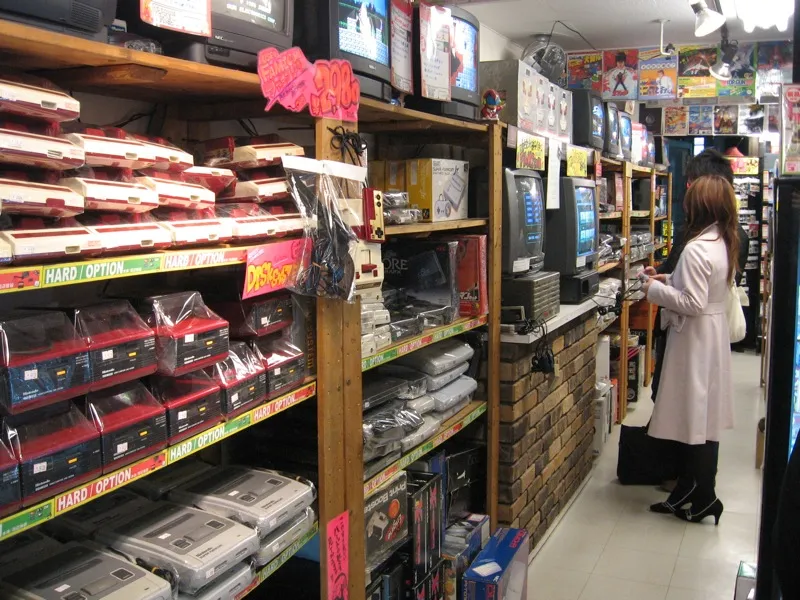
The Glass That Won’t Die: Inside the Race to Keep CRT Gaming Alive
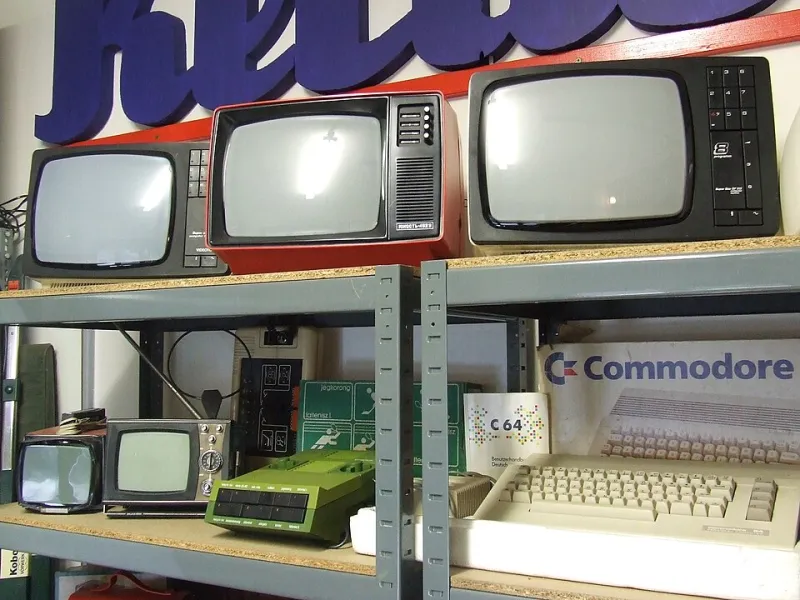
Photo: Christo, CC BY-SA 4.0, via Wikimedia Commons
On a quiet street outside Columbus, Ohio, a spare bedroom has been converted into what its owner calls the shrine: a 27-inch Sony Trinitron, a shelf of NES and SNES carts, and a carefully labeled binder of service manuals. The room is not a museum. The TV gets used almost every night. To the person who built it, no modern OLED can replace the warm, slightly bowed glass that makes Super Mario World look the way it did in 1991.
That feeling is not just nostalgia. It is measurable. CRT displays draw each scanline in sequence, produce essentially zero input lag, and handle motion in a way that sample-and-hold flat panels still struggle to match. For retro gamers, the tube is not a quaint accessory. It is the final piece of the original hardware chain.
Why the Tube Still Wins
The case for CRTs starts with responsiveness. A fast-twitch platformer like Mega Man or a shmup like Gradius depends on timing that begins at the controller and ends at the screen. On a CRT, that path is short and analog. On a modern TV, even in game mode, the image is processed, scaled, and displayed in ways that can introduce delay. Some players do not notice. Competitive retro players almost always do.
Then there is the look. Classic games were designed around the limitations and quirks of CRT displays. Dithering patterns blended into new colors. Transparency effects relied on scanlines. Pixel art was drawn with the expectation that the glass would soften hard edges. A crisp emulator image can reveal the seams that developers never intended players to see.
Light guns are the other big one. The NES Zapper, the Sega Light Phaser, and the Saturn Stunner depend on the way a CRT paints its picture. On a flat panel, they simply do not work without workarounds. For fans of Duck Hunt, Virtua Cop, and House of the Dead, the CRT is not a preference. It is a requirement.
The Supply Problem Is Real
The trouble is that nobody is making new CRTs for consumers anymore. The last big factories closed years ago, and the sets that remain are aging. Thrift stores that once had a wall of $10 televisions have dried up. Craigslist and Facebook Marketplace still turn up finds, but the good stuff is often gone within hours. In 2026, a clean consumer set with component inputs can command real money, and professional-grade monitors are in another category entirely.
Collectors have learned to ask hard questions before hauling a set home. Does it power on? Is the picture bright? Are there burns, geometry problems, or a high-pitched whine? Does it accept the inputs you actually need? A free curb alert can become a repair project fast. The days of casually grabbing a spare CRT because it was there are mostly over.
The Repair Bench Is the Front Line
What keeps the scene alive is a loose network of repair technicians, hobbyists, and calibration obsessives. Some are former TV repair shop owners who never threw away their equipment. Others are younger gamers who learned to discharge capacitors and replace flyback transformers from forum threads and YouTube videos. They trade service manuals, compare capacitor kits, and argue about convergence strips the way other people argue about sports.
Recapping is common. So is adjusting geometry, focus, and color temperature. The 240p Test Suite has become a standard tool for checking scroll speed, color bars, and linearity. A well-calibrated CRT can look startlingly good, but getting there takes patience, space, and a healthy respect for high voltage. This is not a hobby for anyone who wants to open a plastic shell and poke around without reading first.
What Gets Lost When the Glass Goes Dark
The bigger fear is not that CRTs will become expensive. It is that the knowledge will thin out. When a tube dies and no replacement exists, a game does not simply look different. It feels different. The way a speedrunner times a jump, the way a light gun tracks a target, the way a pixel artist’s dithering reads on screen, all of that is tied to the display.
Emulation has made enormous progress. Shaders can mimic scanlines, bloom, and aperture grilles. FPGA setups can reduce lag. But a simulation is still a simulation, and the physical experience of a heavy glass tube humming in the corner is part of the history. Keeping that history alive means supporting the repair scene, documenting service procedures, and treating working CRTs as tools to be maintained rather than junk to be discarded.
The shrine in Ohio is not about refusing the present. It is about keeping a door open to the past. Every recapped set and every calibrated tube is a small act of preservation, and in 2026 that work matters more than ever.