The Other Shelf: A 2026 Field Guide to Japan-Only Retro Games
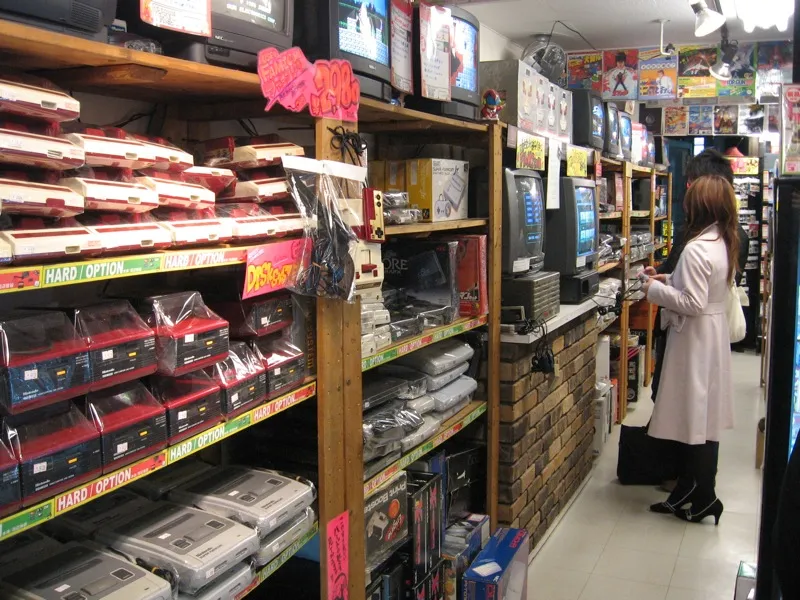
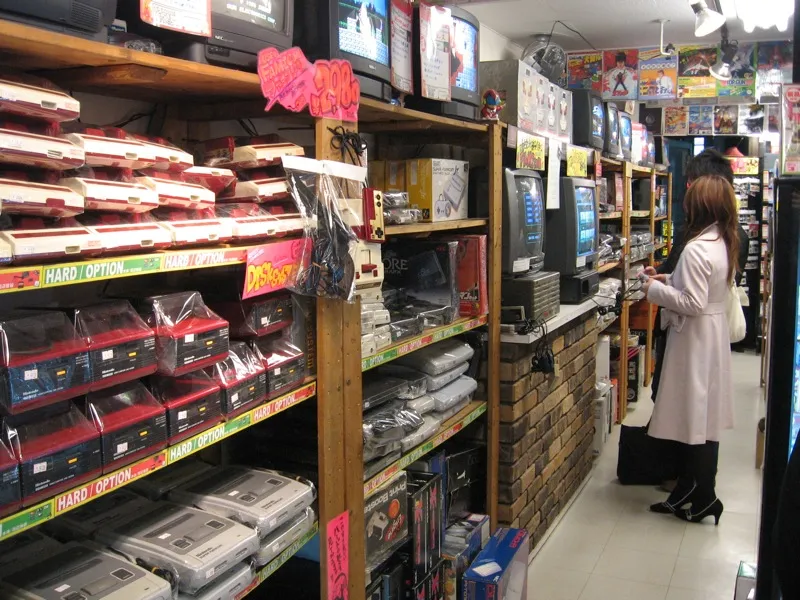
Photo: Nicholas, CC BY 2.0, via Wikimedia Commons
In 2026, the most interesting shelf in a retro collector’s room may be the one with labels you cannot read. Japanese imports have always been part of the American hobby, but the scene around them has matured into something closer to a parallel canon. Famicom carts, Super Famicom RPGs, PC Engine shooters, and Saturn oddities that never got a US release are now easier to research and harder to ignore.
This is not just a collector’s flex. It is a way to play games that the mainstream missed, and to understand how differently the same hardware could be used in another market. The hurdles are real, but they are also part of the appeal.
Why the Import Bin Still Matters
The US catalog for any classic console is only a slice of the whole. The Famicom library is enormous and full of experimental titles. The Super Famicom is home to RPGs, strategy games, and arcade ports that never crossed the Pacific. The PC Engine built a reputation for shooters and charming oddities. The Sega Saturn, especially, has a Japanese library that dwarfs what American players saw.
For collectors, imports offer discovery. You can spend years in the familiar US releases and then realize there is another shelf next to it. Some games are cheaper. Some are stranger. Some are simply better than the local alternatives. The import bin is where the hobby gets its second wind.
Region Locks, Voltage, and Other Practical Headaches
The first obstacle is hardware. Nintendo’s Famicom used a different cartridge shape than the NES, and the Super Famicom had a different shell than the SNES. Adapters exist, but they are not all equal. Sega and NEC systems have their own quirks. The Saturn is famously region-locked, which is why modded consoles and region-free solutions are common in collector circles.
Voltage is another consideration. Japanese consoles were designed for 100V, while US outlets run at 120V. Many collectors use step-down converters for peace of mind. Others rely on the tolerances of aging power supplies, which is a gamble. If you are spending real money on imported hardware, spend a little more on safe power.
Then there is the question of display and controllers. Japanese controllers are usually compatible with the same family of systems, but not always. RGB output varies by model. A clean setup often means researching the exact revision you are buying before you click.
Language Is the Real Boss Fight
Region locks can be solved with hardware. Language is harder. RPGs, adventure games, and visual novels can be impenetrable without Japanese. Action games and shooters are more welcoming, which is why they are a common entry point for American importers.
Fan translations have changed the landscape. Patches for classic RPGs and adventure games have made entire subgenres accessible, though applying them often requires flash carts, patched ROMs, or modded consoles. Reproduction carts exist too, but the ethics and quality vary. The safest path is to support the fan translation scene, read the documentation, and be honest about what you are buying.
Building a Parallel Canon
What makes the import scene rewarding is not just scarcity. It is the sense of a hidden history. A Japanese-only Saturn game can feel like a message from an alternate timeline where the console succeeded. A Super Famicom RPG can show off art and music that American players never saw in their local game store. The experience is different because the context is different.
In 2026, the community around imports is stronger than ever. Forums, Discord servers, and YouTube channels document games that once felt impossible to approach. Modders install region switches and recap hardware. Translators release patches years after a game was written off. Collectors trade notes on the exact model of a PC Engine that will play nice with a modern setup.
What to Buy First
If you are import-curious, start with games that do not depend on text. Shooters, arcade ports, and action platformers are forgiving. Look for titles with clear menus and simple goals. Buy from sellers who show board photos and test footage. Ask about battery leakage on cartridge games. For disc systems, ask about laser health and whether the console has been serviced.
Most of all, treat imports as a long game. The point is not to own every rare title. It is to find the games that make the other shelf feel alive. The import bin is still one of the best places in retro gaming to remember why discovery matters.