When Nostalgia Meets Reality: The Silent Crisis Making Classic Games Unplayable
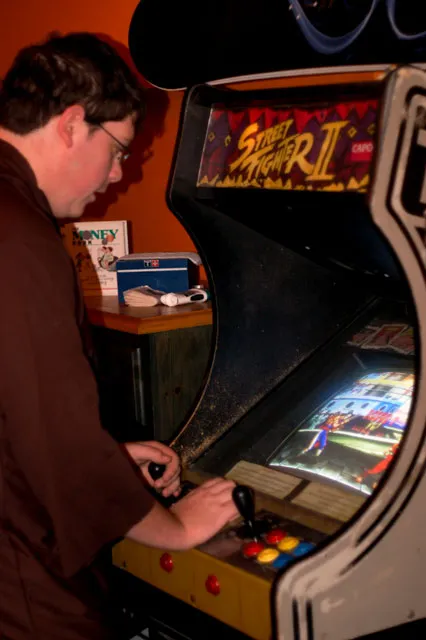
Photo: Jonathan Sloan from Burnaby, Canada, CC BY 2.0, via Wikimedia Commons
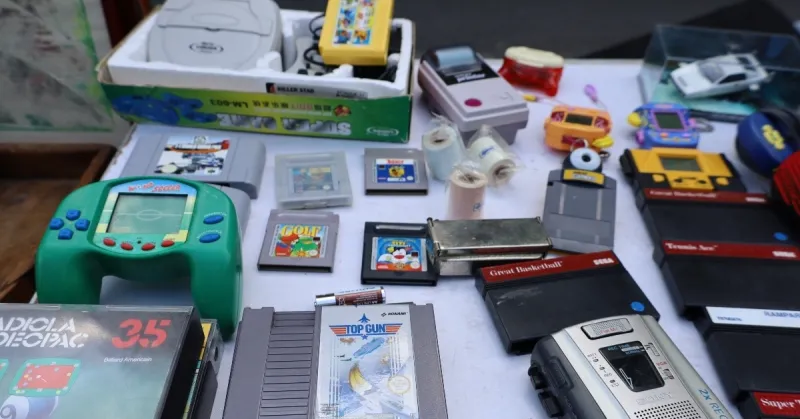
There's something deeply satisfying about pulling an original cartridge off the shelf, sliding it into a console you've owned since childhood, and hearing that startup chime crackle to life. It's a ritual. A time machine. For millions of American retro gamers, it's the whole point.
Except — increasingly — it doesn't work anymore.
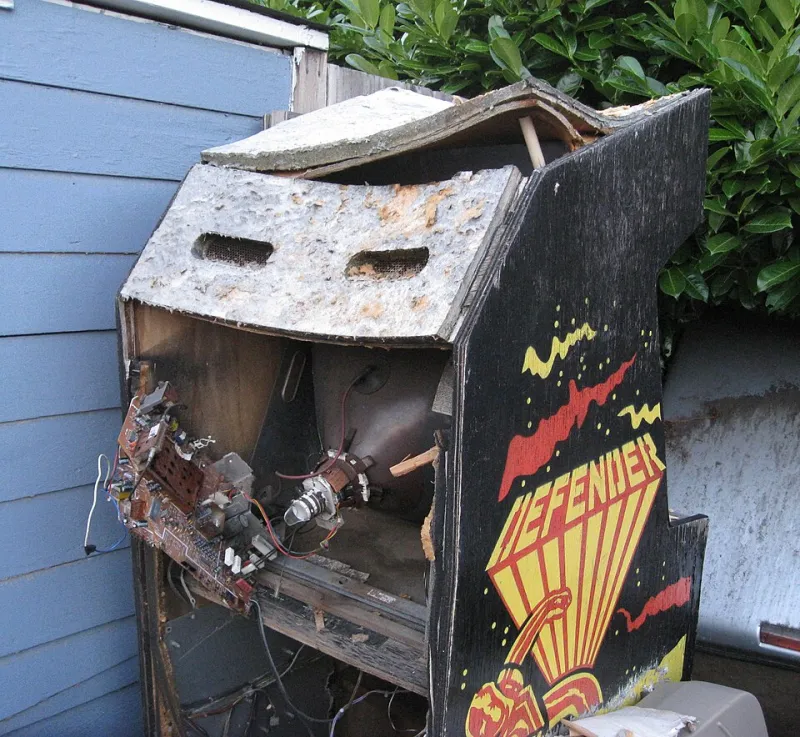
No dramatic failure. No smoking components. Just silence, or a garbled mess of pixels, or a save file that simply refuses to load. Classic gaming hardware is getting old, and the hobby that celebrates it is quietly running into a wall that no amount of nostalgia can fix on its own.
The Clock Was Always Ticking
The original NES launched in the US in 1985. The Super Nintendo followed in 1991. That means the youngest of those consoles is pushing thirty-five years old. The oldest are nearly forty. By any measure, that's a long time to ask consumer electronics to keep performing reliably, especially hardware that was never designed with long-term archival survival in mind.
The problems show up in a few different ways. Capacitors — tiny components that regulate power flow across circuit boards — dry out and fail over time. When they go, they can corrupt video signals, cause audio glitches, or prevent a system from powering on at all. Power supplies, particularly in older Sega Genesis and Atari systems, are notorious for failing catastrophically and sometimes taking the console with them when they do.
Cartridge batteries are another ticking clock. Games like The Legend of Zelda, Pokémon Red and Blue, and dozens of other titles relied on small CR2032-style batteries soldered directly onto the cartridge board to retain save data. Those batteries were rated for roughly ten to fifteen years. Do the math, and you'll quickly realize that most of them have been running on borrowed time for a decade or more. Collectors are increasingly finding that beloved save files — childhood playthroughs, completed quests, carefully raised Pokémon teams — have simply evaporated.
The Display Problem Nobody Talks About Enough
Even if your hardware is in perfect working order, there's another obstacle that catches a lot of people off guard: modern televisions are actively hostile to classic consoles.
Retro systems output video signals — RF, composite, S-Video, RGB SCART — that modern 4K HDTVs either don't accept at all or handle poorly. When a contemporary TV does manage to process a composite signal from an old NES, it often introduces input lag through its image processing pipeline, turning precise platformers and action games into frustrating, unresponsive slogs. A game like Mega Man 2 or Castlevania that demands tight timing becomes genuinely harder to play — not because you've gotten rusty, but because the technology between you and the game is working against you.
The dedicated retro gaming community has known about this for years, and solutions exist: consumer upscalers like the Retrotink 5X, professional-grade options like the OSSC, or the increasingly rare and expensive pursuit of original CRT televisions that accept these signals natively. But these solutions require research, money, and effort that can feel overwhelming to someone who just wants to plug in and play.
DIY Communities Riding to the Rescue
Here's where the story gets genuinely inspiring. Across Reddit communities, Discord servers, and YouTube channels, a sprawling grassroots repair movement has emerged to fight back against hardware decay. Channels dedicated to console restoration walk viewers through recapping NES and Game Boy units — replacing aging capacitors with fresh ones — in real time. Forum threads document successful battery replacements, pin cleaning techniques, and power supply rebuilds with the kind of meticulous detail you'd expect from professional technical manuals.
The barrier to entry has dropped significantly. Soldering kits that would have cost a fortune in the nineties are now available at accessible price points. Capacitor replacement kits specific to popular consoles are sold pre-packaged on sites like eBay and specialized retro gaming stores. Communities like r/consolerepair and various Facebook groups have created environments where a complete beginner can post a photo of a malfunctioning board and receive detailed, knowledgeable guidance within hours.
For collectors willing to put in the time, DIY restoration is deeply rewarding — and often the only realistic option for keeping a large collection functional on a budget.
Professional Restoration: Worth the Investment?
Not everyone has the time, the workspace, or the steady hands for soldering work. That's where professional restoration services have stepped in to fill a growing gap. Small businesses and independent technicians across the country now offer full console restoration services — recapping, deep cleaning, capacitor replacement, belt replacement for disc-based systems, even RGB modification for cleaner video output.
Prices vary widely, but a quality restoration on a Super Nintendo or a Game Boy Advance SP typically runs anywhere from forty to over a hundred dollars depending on the scope of work. For a prized console or a particularly valuable cartridge, many collectors consider that a reasonable investment. The challenge is finding someone trustworthy, since the field has no formal certification and quality varies enormously between technicians.
Word of mouth matters here more than almost anywhere else. The retro gaming community's reputation-based economy — something we've written about before — extends into restoration services. A technician who does right by one collector's treasured hardware tends to build a loyal following fast.
The Authenticity Question
All of this leads to a genuinely thorny debate that runs through the retro collecting community like a fault line: at what point does restoration compromise authenticity?
For some collectors, the value of original hardware is inseparable from its originality. Replacing capacitors, swapping batteries, and modding for HDMI output transforms a piece of gaming history into something that's been significantly altered from its manufactured state. There's a real philosophical argument that a heavily modified console — even one that plays perfectly — is no longer quite the artifact it once was.
On the other side of that debate are preservationists who argue that an unplayable console serves no one. A corroded cartridge sitting in a display case isn't preserving anything meaningful about gaming history — it's just slowly dying in a climate-controlled room. Keeping these games actually running, actually playable, is the most genuine form of preservation there is.
Neither side is entirely wrong, and the tension between them reflects something real about what retro gaming means to different people. For some, it's about the object. For others, it's about the experience.
The Takeaway
If you've got original hardware sitting in storage, now is genuinely the time to take stock of what you have and what condition it's in. The degradation isn't slowing down. Capacitors don't care how much you love your childhood SNES, and CRT televisions aren't getting easier to find.
The good news is that the community built around keeping these games alive is more knowledgeable, more resourceful, and more passionate than ever. Whether you go the DIY route, seek out a trusted technician, or start exploring modern alternatives like upscalers and flash cartridges, options exist. The golden age of video games doesn't have to stay locked behind failing hardware.
But the window to act is narrowing a little more every year.