Blowing Into Cartridges Was Never the Answer — But We Did It Anyway
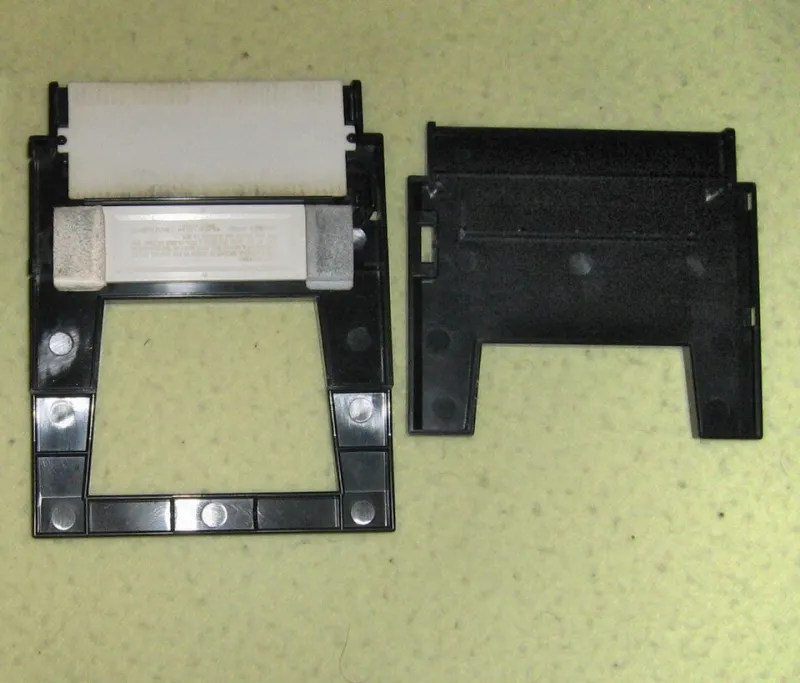
Photo: Smokestack (talk), Public domain, via Wikimedia Commons
There's a ritual every child of the '80s and early '90s remembers. The screen freezes. Mario glitches sideways into the void. You yank the gray cartridge from the slot, hold it up like a tiny gray altar piece, and blow. Hard. Then you slide it back in, press it down with both thumbs, and hold your breath. Sometimes it worked. Sometimes it didn't. But you always tried again.
That single, deeply human act — desperate, hopeful, completely unscientific — spawned one of the most enduring myths in gaming history. And now, thirty-plus years later, the collectors and technicians who love these machines are working overtime to separate the legend from the reality.
The Myth That Launched a Thousand Reddit Threads
Ask anyone who grew up with a Nintendo Entertainment System and they'll swear by the blow. It felt logical. Dust gets in there, you blow it out — problem solved. The NES even seemed to reward the behavior. Games would boot up after a good breath session, reinforcing the idea that you'd done something useful.
Here's the uncomfortable truth the internet eventually delivered: blowing into cartridges almost certainly made things worse over time, not better.
"Moisture from your breath is the enemy of those gold-plated connector pins," explains the thinking behind modern preservation advice. Human breath carries humidity, and repeated exposure to that moisture accelerates oxidation on the cartridge's connector contacts. The corrosion you were trying to fix? You were quietly contributing to it every single time.
So why did it seem to work? The real magic was in the act of removal and reinsertion itself. Pulling the cartridge out and pushing it back in scraped the contacts together just enough to create a cleaner connection. The blowing was theatrical. The friction was doing the actual work.
Nintendo's Lockout Chip and the Real Villain
To understand why NES games were so temperamental in the first place, you have to understand the machine's design. The NES used a 72-pin connector — a long, spring-loaded slot that cartridges pressed into from the top via a front-loading tray. It was a novel design for the American market, chosen partly to make the console look less like a toy and more like a VCR (Nintendo was notoriously trying to distance itself from the post-Atari market crash stigma).
The problem? Those 72 pins bent and wore down over time. Every insertion, every removal, every enthusiastic cartridge shove from an impatient kid degraded the connection a little more. By the time most families had owned their NES for a few years, the connector was already compromised. Dust was a factor, sure, but mechanical wear was the deeper issue.
Nintendo actually released a cleaning kit — the NES Cleaning Kit — that came with a cartridge-shaped cleaner and a controller slot brush. It was a tacit acknowledgment that the hardware had a problem. Collectors today treat sealed versions of that kit as minor artifacts in their own right.
The Folk Remedies People Actually Tried
Blowing was just the beginning. The NES era gave birth to an entire catalog of unofficial fixes, passed around schoolyards and neighborhood basements like secret knowledge.
Some kids swore by tilting the cartridge slightly while it was in the slot — a technique that technically worked by adjusting pin contact angles, though it also risked bending pins further. Others developed elaborate insertion ceremonies: press down, lift slightly, press down again. A few households kept a "good" controller slot designated for finicky cartridges. Parents who didn't want to hear about it anymore just bought a third-party cartridge cleaning kit from the electronics section at Walmart and called it done.
Then there was the Q-tip method. Dip a cotton swab in rubbing alcohol, gently scrub the cartridge's gold contacts, let it dry, and try again. This one, unlike blowing, actually had merit — and it's become the baseline recommendation in the modern collector community.
How Collectors Turned Frustration Into a Subculture
Fast-forward to today and the cartridge restoration scene is genuinely thriving. Online communities on Reddit, Discord servers, and dedicated forums are full of people who've turned what was once a childhood annoyance into a hands-on hobby. The tools have gotten more sophisticated too. Isopropyl alcohol (90% or higher is the standard recommendation) has largely replaced the rubbing alcohol of the '90s. Purpose-built contact cleaners, replacement 72-pin connectors, and pin-straightening tools are all readily available and surprisingly affordable.
For the more serious restorers, a replacement 72-pin connector is often the first real upgrade. The original Nintendo connectors in most surviving NES units have been through decades of use, and a fresh aftermarket connector can make a worn-out console feel almost new. It takes maybe fifteen minutes with a screwdriver and a steady hand.
"There's something genuinely satisfying about pulling an old NES out of a garage sale bin, doing a proper cleaning, and getting it running perfectly again," says the general vibe in collector spaces. It's part preservation, part puzzle-solving, and a whole lot of nostalgia.
Some enthusiasts go even further, recapping boards (replacing aging capacitors that can affect audio and video quality), installing RGB output mods for sharper images on modern displays, or fitting HDMI adapters that let original hardware run cleanly on contemporary TVs. The NES has become a platform for tinkerers as much as for players.
What the Science Actually Says
A handful of YouTube channels and retro tech blogs have done the legwork of actually testing cartridge maintenance methods, and the consensus has been pretty consistent. Isopropyl alcohol on a cotton swab or a foam-tipped applicator, applied gently and allowed to fully dry before reinsertion, is the gold standard for contact cleaning. The alcohol dissolves oxidation and evaporates cleanly without leaving residue or moisture behind.
For cartridge shells themselves, a light wipe-down with a soft cloth handles surface grime. For stubborn label stains or marker damage — a heartbreaking reality on many secondhand finds — the community has developed careful approaches using products like Magic Erasers or diluted cleaning solutions, always tested on inconspicuous areas first.
The broader preservation message is consistent: original hardware is finite. Every NES cartridge still in circulation today is a piece of physical history that can't be reprinted. Taking care of them matters not just for playability but for keeping a piece of American gaming culture intact.
The Ritual Lives On
Here's the thing, though. Even knowing all of this — even understanding that blowing was always a placebo dressed up as a fix — plenty of collectors will admit they still do it sometimes. Not because they think it works. But because it feels right. Because it connects them to something specific and irreplaceable: the particular tension of a Saturday afternoon, a living room floor, a game that refused to cooperate.
The NES cartridge and its finicky connector created a shared experience that transcends the actual hardware. It's a frustration that became a memory, a memory that became a ritual, and a ritual that eventually became its own corner of gaming culture. That's not nothing.
And honestly? The fact that we're still talking about it — still debating the best way to clean a thirty-year-old game cartridge, still laughing about the blow-and-pray method at retro gaming conventions — says everything about what the NES meant to a generation of American kids who grew up with gray plastic rectangles and a whole lot of hope.