The Handshake Economy: How Retro Gamers Built a Trading Underground That Runs on Trust

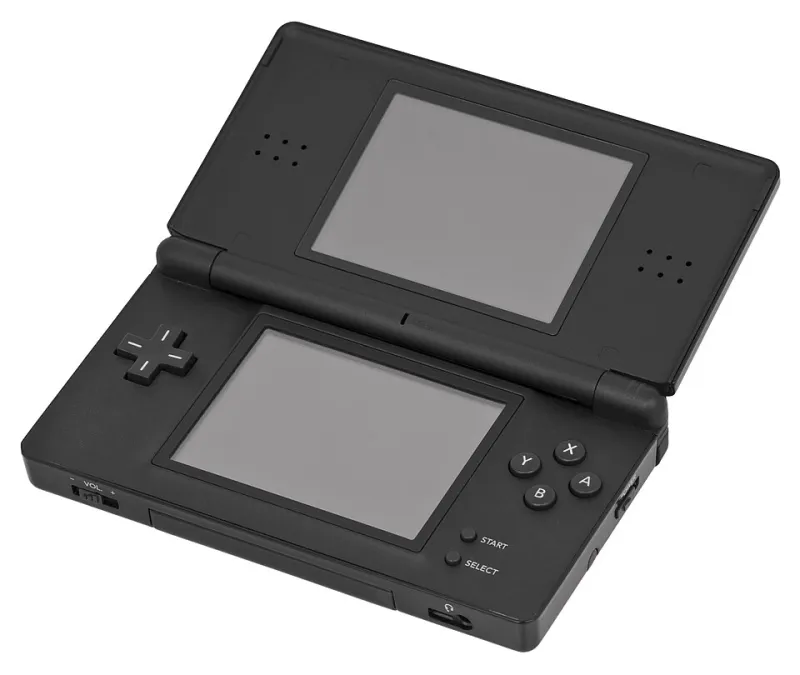
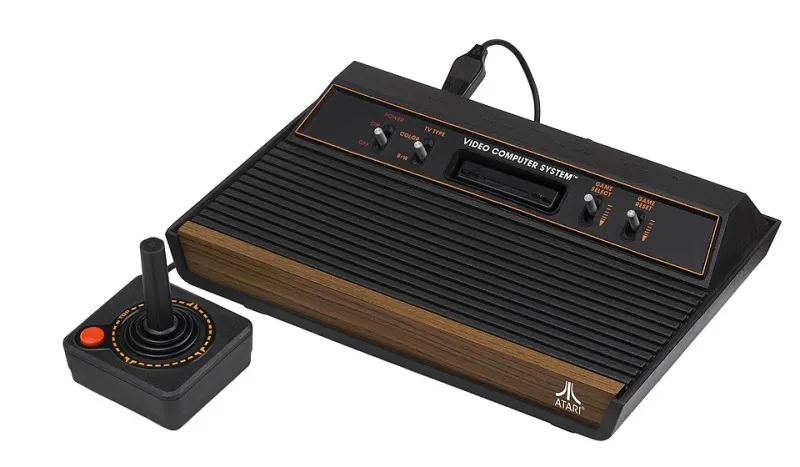
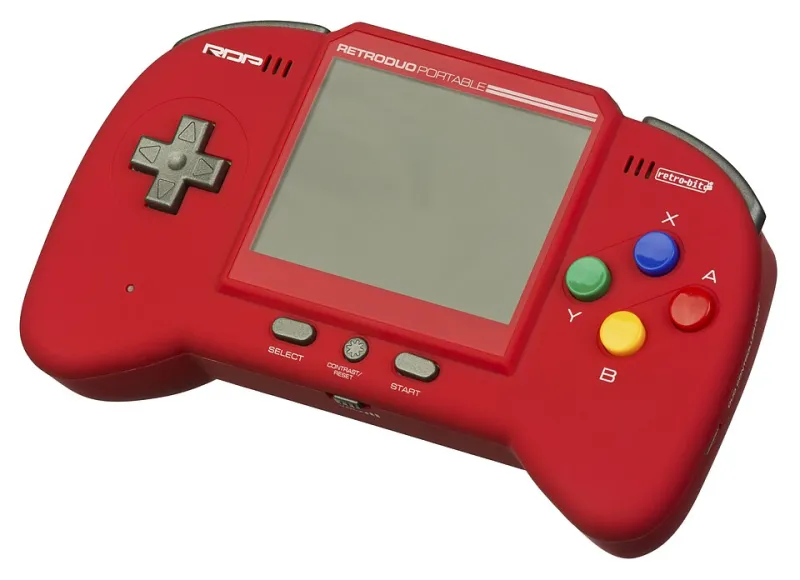
Photo: RockosModernLifeFan848, CC0, via Wikimedia Commons
Somewhere in a Discord server you've probably never heard of, a deal is going down. A collector in Phoenix is offering a near-mint copy of Panzer Dragoon Saga for Saturn. A trader in Minnesota has a sealed EarthBound box that's been authenticated three times over. The two have never met in person. They have no formal contract. What they have is a reputation — a trading history, a handful of vouches from mutual community members, and a shared understanding of the unwritten rules that hold the whole ecosystem together.
This is the retro game trading underground, and it is far more organized, more principled, and more interesting than most outsiders realize.
Beyond eBay: Why Traders Chose Community Over Convenience
eBay is the obvious place to sell a retro game. It's enormous, it reaches millions of buyers, and its infrastructure handles payments and dispute resolution. So why do serious collectors increasingly route their most important transactions through private Discord servers and subreddit trading posts instead?
The answer, consistently, comes down to two things: price and trust.
On eBay, you're competing against every seller on the platform, paying fees that typically run 12-15% of the final sale price, and dealing with a buyer pool that includes casual flippers, resellers, and people who will open a dispute over a scratch they introduced themselves. The community trading spaces cut out that friction. No fees. No algorithm. No strangers.
"I sold a complete Castlevania: Symphony of the Night for PlayStation through a Discord trading channel and got $40 more than the eBay sold comps — and I didn't pay a dime in fees," says Derek F., a collector from Atlanta who has been trading in online communities for six years. "The buyer got a better price too because there was no middleman taking a cut. It just makes sense when you know and trust the people you're dealing with."
Communities like r/GameSale on Reddit, the Trading Post channels embedded in dozens of niche Discord servers, and long-running Facebook groups dedicated to specific consoles have quietly become the preferred marketplace for a significant slice of the retro gaming economy.
The Code: Unwritten Rules That Actually Get Enforced
Every serious trading community runs on a set of norms that nobody formally voted on but everybody follows — or faces consequences for violating. The rules vary slightly by community, but the core principles are remarkably consistent across the ecosystem.
Feedback and vouches are currency. Before any significant trade, buyers and sellers post their trading history: a thread of completed deals, feedback from previous partners, timestamps. In communities with formal systems, this looks like a flair count next to a username. In more informal spaces, it's a manual "anyone vouch for this person?" post that gets answered quickly by regulars. A collector with 50 successful trades is extended far more latitude than a zero-feedback account.
Sellers ship first — or use a middleman. When there's a significant trust imbalance between two traders, the community convention is clear: the party with the established reputation ships first, or both parties use a trusted middleman to hold funds until delivery is confirmed. It's an honor system with teeth, because violating it gets you banned and publicly called out.
Lowballing is frowned upon, but haggling is fine. There's a cultural line between making a reasonable offer and insulting someone's listing. Experienced traders know where that line is. Newcomers learn quickly.
Authenticity disputes get escalated, not ignored. When questions arise about whether a cartridge is genuine or a reproduction, the community doesn't shrug and move on. Dedicated authentication experts — often unpaid volunteers with years of experience identifying board markings, label variations, and PCB characteristics — weigh in publicly.
The Authenticators: Gatekeepers Nobody Appointed
Counterfeit retro games are a genuine problem, particularly for high-value titles. Reproduction cartridges — ranging from obvious novelty items to sophisticated fakes designed to deceive — have flooded the market over the past decade. In response, trading communities have developed their own verification infrastructure.
In the most active Discord servers, there are dedicated channels where members can post photos of suspect cartridges and receive expert analysis within hours. The people doing that analysis aren't paid. They're enthusiasts who have spent years learning the specific tells: the font weight on a Chrono Trigger label, the screw type on a legitimate Pokémon cartridge, the PCB markings that distinguish a real Stadium Events from a convincing fake.
"I've looked at probably a thousand cartridges in the last three years just through community channels," says a well-known authenticator who goes by the username RetroVerify in several major Discord communities. "It started because I got burned on a fake myself and decided to learn everything I could. Now I just do it because the community needs it and I'm good at it."
For genuinely high-stakes trades — sealed games, rare variants, items valued in the thousands — some communities coordinate with third-party grading services like WATA or VGA, though the grading service model itself remains a point of ongoing debate within the collector community.
The Tension: Collectors vs. Investors
Not everyone in these trading spaces is there for the love of the games. As retro gaming prices have risen sharply over the past several years, a new type of participant has entered the ecosystem: the investor-collector, someone who views cartridges as assets rather than artifacts.
This tension is real and frequently surfaces in community discussions. Longtime collectors bristle when they see sealed games treated as financial instruments, when prices get driven up by people who will never actually play what they're buying, or when trading channels get used primarily to flip items for profit rather than to find good homes for beloved games.
"There's a difference between someone who wants a game because they played it as a kid and someone who wants it because they read that it appreciated 40% last year," says Maria C., a collector and moderator in a regional retro gaming Facebook group in the Chicago area. "Both are welcome in the community, but they're not the same thing, and pretending they are creates friction."
The communities themselves have developed various mechanisms to manage this. Some Discord servers explicitly prohibit commercial resellers. Others use post-history requirements to ensure that participants are engaged collectors, not just arbitrageurs passing through.
Why It Works
What's remarkable about the retro game trading underground is that it functions at all. It's a multi-million dollar informal economy built almost entirely on reputation and shared cultural values, with no legal enforcement mechanism and no corporate infrastructure.
It works because the community has something that eBay can't manufacture: genuine investment in outcomes. When a deal goes wrong in a trading community, real people with real reputations get involved. The social cost of being known as a scammer or a bad-faith trader is high enough to keep most participants honest.
For retro gaming collectors, that's not just a practical advantage. It's a feature. In a hobby built on nostalgia for a simpler era, there's something fitting about a marketplace that runs on handshakes — even digital ones.