Small Screen, Big Legacy: Why the Original Game Boy Is Retro Gaming's Most Underestimated Treasure
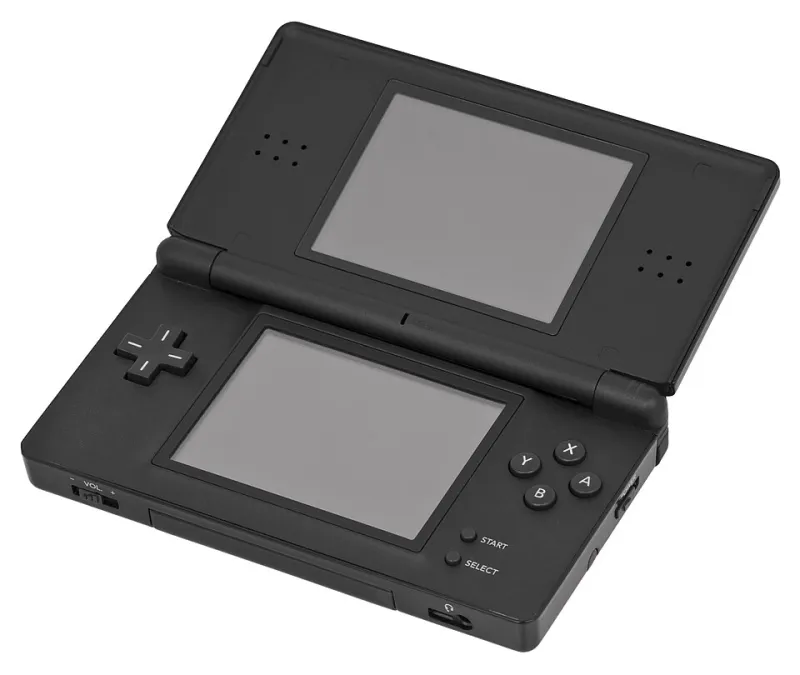
Photo: Evan-Amos, CC BY-SA 3.0, via Wikimedia Commons
Pull open almost any bin at a retro game shop in America and you'll find one — that familiar gray slab, worn at the corners, battery door maybe missing, screen barely visible in anything but direct sunlight. For years, the original Nintendo Game Boy was the retro gaming world's afterthought. Collectors chased SNES carts and CIB NES boxes while the little handheld that launched in 1989 collected dust. But scroll through any retro gaming community today and you'll notice something has shifted. The Game Boy isn't just surviving — it's thriving, and the people who love it are more passionate than ever.
The Affordable Gateway Nobody Saw Coming
One of the biggest drivers behind the Game Boy's resurgence is brutally simple: it's still relatively cheap to get into. While complete-in-box NES games routinely crack three figures and sealed SNES titles have become legitimate investment assets, a fully functional original Game Boy can still be found at flea markets and thrift stores for under $20. Loose Game Boy cartridges — even beloved titles like Pokémon Red, Tetris, and The Legend of Zelda: Link's Awakening — remain accessible compared to their console counterparts.
For Gen X gamers revisiting childhood memories and millennials discovering the platform for the first time, that low barrier to entry matters enormously. "I started with a Game Boy because I could build a solid collection for what one decent SNES game costs," says Marcus T., a collector from Columbus, Ohio, who now owns over 400 Game Boy titles across all monochrome variants. "It felt like a cheat code for getting into collecting without wrecking my budget."
That accessibility has created a genuine pipeline of new collectors — people who might never have entered the hobby at all if the entry point had been steeper.
A Library That Deserved Better
Here's the thing about the Game Boy's game library that serious collectors keep coming back to: it's genuinely excellent, and most of it flew completely under the radar during the system's active lifespan. While the platform is synonymous with Tetris and the original Pokémon games, dig a little deeper and you'll find a catalog packed with surprises.
Gargoyle's Quest, a gothic action-RPG spinoff of Ghosts 'n Goblins, holds up beautifully. Kirby's Dream Land was many American kids' first Kirby experience. Mole Mania, designed by Shigeru Miyamoto himself, is a puzzle gem that almost nobody talked about at the time. Japanese-exclusive titles like Trip World have become borderline mythological among hardcore collectors, commanding serious prices when they surface.
The monochrome library also benefits from something modern gaming often lacks: tight, focused design. Without the horsepower to throw polygon counts at players, developers had to be creative. The constraints bred ingenuity, and many of those games feel remarkably playable today in ways that some early 3D titles simply don't.
The Mod Scene That Changed Everything
If affordability got collectors in the door, the modding community kicked it wide open. The Game Boy mod scene has exploded over the last several years into one of the most creative hardware communities in all of retro gaming. The centerpiece of that movement? The IPS backlit screen mod.
The original Game Boy's screen — a reflective LCD that required you to practically hold it under a lamp to see — was always the system's most glaring weakness. Modern IPS screen kits, widely available from suppliers like Funnyplaying and RetroSix, transform the experience entirely. A modded original Game Boy with a crisp, backlit display playing Metroid II looks genuinely stunning. It's the system as it always should have been.
Beyond screen upgrades, the community has developed rechargeable battery mods, custom shells in hundreds of color combinations, audio amplifier upgrades, and even FPGA-based replacements for aging capacitors. YouTube channels dedicated entirely to Game Boy modding have racked up millions of views. The subreddit r/Gameboy regularly features build showcases that look more like art projects than vintage hardware.
"Modding gave the Game Boy a second life that Nintendo never planned for," explains Jamie R., a modder based in Portland who has built custom units for clients across the country. "People aren't just preserving these things — they're improving them. You end up with something that's both nostalgic and genuinely better than the original."
What Gen X and Millennials Are Really Chasing
Ask collectors why the Game Boy hits different and the answers get personal fast. For Gen X gamers, it's often about recapturing a specific kind of childhood freedom — the Game Boy was the first device that made gaming truly portable, something you could take on road trips, hide under the covers at night, bring to a friend's house without hauling a console. It represented independence in a way that a living room TV setup simply couldn't.
For millennials, especially those born in the late '80s and early '90s, the original Game Boy represents the beginning of their gaming identity. The Pokémon phenomenon alone is enough to anchor an entire generation's emotional connection to the platform. But even beyond Pokémon, there's something about the simplicity of those early experiences — the tinny speaker, the four-direction D-pad, the two-button setup — that feels like a direct line back to an uncomplicated era of gaming.
That emotional resonance is, ultimately, what separates the Game Boy from just being another cheap piece of old hardware. It's a cultural artifact that carries genuine weight for tens of millions of Americans who grew up alongside it.
The Collector's Frontier
For anyone thinking about dipping into Game Boy collecting, the timing is genuinely good — but the window may not stay open forever. Prices on the most desirable titles have been creeping upward as the community grows and awareness spreads. The games that are still cheap today may not be cheap in five years.
The advice from veteran collectors is consistent: buy what you love, prioritize condition when you can, and don't sleep on the deeper cuts in the library. The Game Boy's catalog has enough hidden gems to keep even experienced collectors hunting for years.
Nintendo's monochrome brick was never supposed to win. It launched against the color-screened Sega Game Gear and Atari Lynx, both of which offered flashier technology. It won anyway, on the strength of its battery life, its durability, and — most importantly — its games. Decades later, that same stubborn resilience is exactly what's making the original Game Boy one of retro gaming's most compelling collecting stories.